
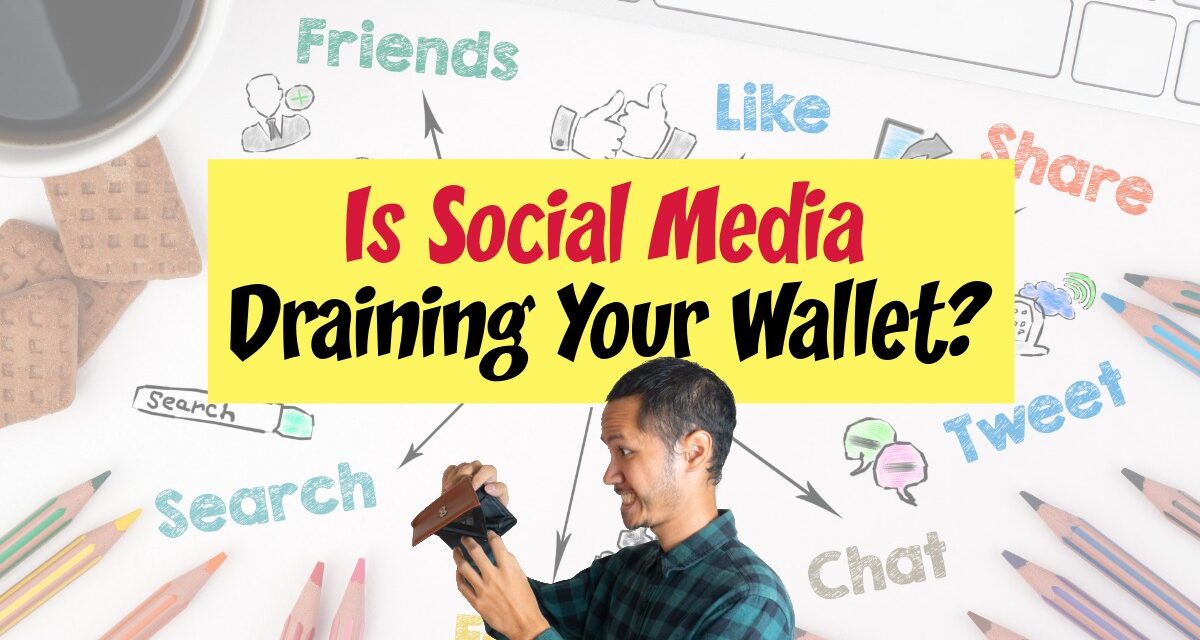
If you’re on social media, you’ve probably bought something that caught your eye on it. The other day, I spoke to someone at the grocery store who told me that she has to stop scrolling. Because she’s spending too much money on social media. And it’s really starting to add up.
It’s easy to get caught up in all those enticing ads all over the place to grab your attention. But those deals don’t feel like steals when they start hitting your bank account. Do you feel like social media is draining your wallet?
Is Social Media Draining Your Wallet?
If so, I encourage you to check out my 20th Light Up the Mic podcast episode to get some tips on how to stop the spending cycle. I got a chance to sit down with Todd Christensen, financial educator and author of Everyday Money for Everyday People, and dive into the digital spending trap millions of Americans fall into every day.
Todd unpacks the psychology of online spending, the emotional triggers behind impulse purchases, and simple ways to become a more mindful consumer. He also discusses how ads, influencers, and algorithms are shaping what we see — and how we can drive change. He breaks down how to spot manipulative algorithms and the small shifts that can help you take control.
Social Media Scams are Costing Us Billions
In closing, I share a recent FTC alert on the $1.9 billion lost to social-media scams, plus actionable tips to protect your wallet and your peace of mind from scammers online.
The Key Takeaways from the Is Social Media Draining Your Wallet? How to Break the Spending Cycle episode:
- Awareness breaks the cycle. Recognize your spending triggers and how social media works.
- “Buy Now, Pay Later” isn’t your friend. Todd’s theme-park analogy reveals why instant gratification leads to long-term regret.
- Curate your feed. Unfollow the noise and follow accounts that uplift, educate, and empower.
- Have a spending plan. This isn’t a restriction — it’s direction.
- Pay yourself first. Save money in a different account.
- Protect yourself from scams. Research sellers, use credit cards for protection, and question “too-good-to-be-true” deals.
- Scroll with purpose, not impulse. Mindful scrolling saves both your money and your mental space.